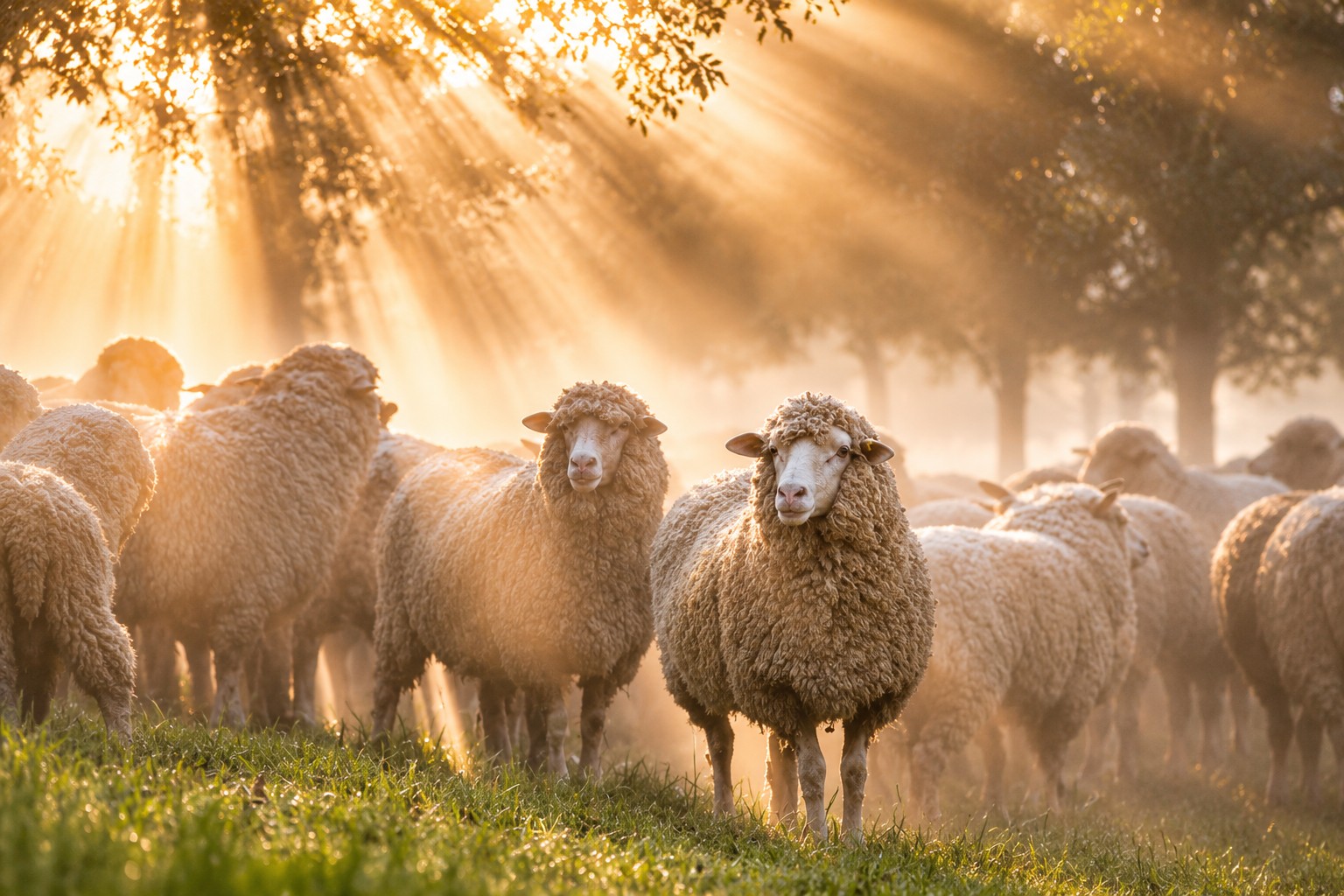
The fibres you choose make a difference to how your socks feel. Merino wool stands out for its softness and its ability to adapt to changing temperatures throughout the day.
Sourced from merino sheep, this natural fibre is finer than many conventional wools, giving it a soft feel against the skin. In socks, it combines comfort and practicality, both on cold days and in milder conditions.
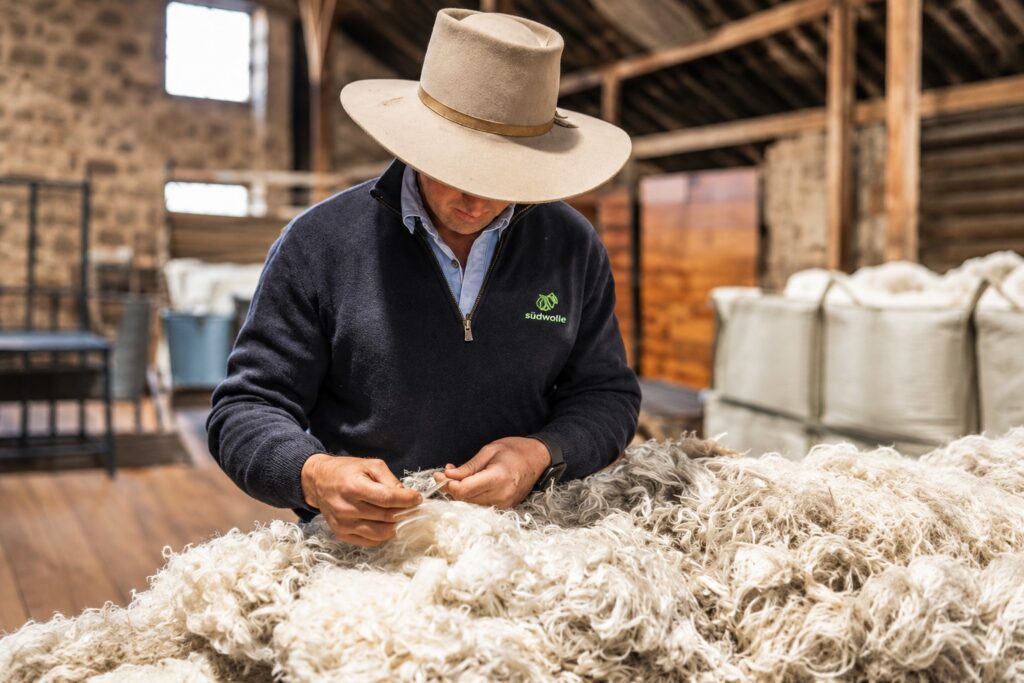
Comfort That Adapts to the Temperature
Merino wool helps regulate foot temperature. Its fibres trap air, providing insulation when it is cold, while its ability to manage moisture supports comfort as temperatures rise.
This makes it suitable for more than just winter: depending on the thickness and composition of the socks, merino wool can be a good choice across different seasons.
Managing Moisture and Odour
Feet perspire throughout the day. Merino wool can absorb water vapour, helping manage moisture next to the skin and reducing the sensation of damp feet.
It can also retain compounds associated with odour, helping socks feel fresher for longer.
Everyday Softness
Merino wool’s fine fibres make it particularly soft to the touch. For anyone spending long hours away from home, between work, commuting and leisurely walks, this softness brings extra comfort to an everyday essential.
Composition matters too. Blending merino wool with other fibres can improve durability, stretch and fit, helping socks move comfortably with your feet.
Care That Preserves Quality
To maintain its qualities, always follow the care instructions on the label. In general, merino wool garments benefit from gentle washing with a wool detergent, avoiding high temperatures and tumble drying.
Choosing merino wool socks means valuing comfort from the very first layer: a natural fibre that combines softness, temperature regulation and everyday comfort with every step.